Posted by
J.W.
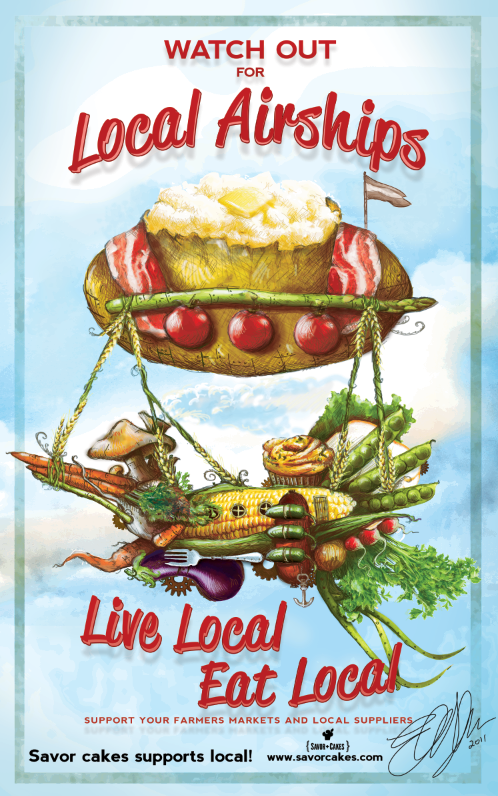
This post was delayed, but I'm pleased to share an update. Elizabeth Marek successfully raised the money to build her Steampunk Savor Cakes cart in Portland! Back in July I was lucky enough to do an interview with her, asking her about the cart. The race between deadline and funds was close, which was a very big deal, since if she hadn't made the amount, Kickstarter rules she wouldn't have gotten any of her funding! Thank you so much to anyone who read my blog and participated!!!
All the best to Liz. Hopefully, we'll have an update direct from the cart someday!
Category:
Interviews,
plugs,
Steampunk
0
comments
Posted by
J.W.
![]() |
| The ModVic Stove, via Steampunk Home |
![]() |
| The Alternative Living Expo in Philadelphia |
The Alternative Living Expo in Philadelphia was held last March (and according to Doctor Fantastiques Show of Wonders, will be held again in 2012, so stay tuned!). This past year it included the ModVic’s Back Home to the Future Show, which originally debuted at the Piers Village and Antique Show in New York last Fall. ModVic started as a husband and wife team working to both restore and modernize their beautiful Victorian home in Massachusetts. What started as a work of love for them has become a full-fledged business. Look here for their website, and more pictures of their breath-taking home.
The blog, The Steampunk Home is another excellent resource, constantly scouring the web for new ideas.
![]() |
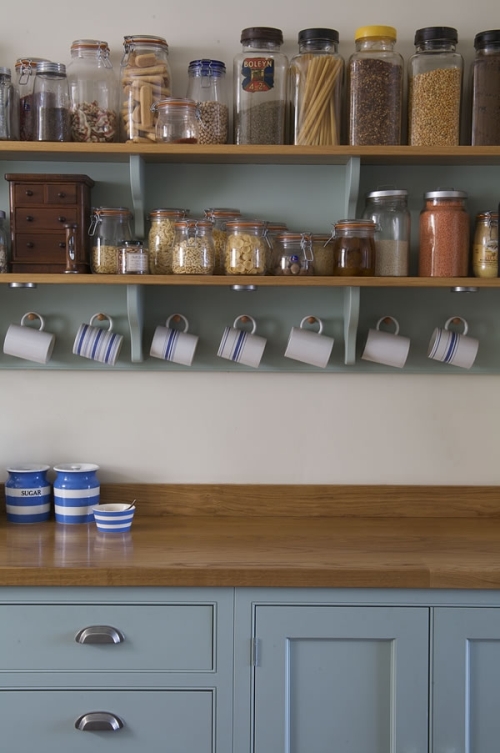
| Spice Rack from SteampunkThings.com |
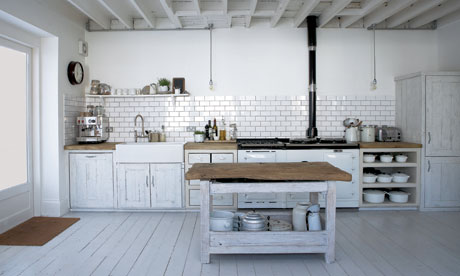
Another great resource seems to be the "industrial" movement, taking items that were part of industry, and turning them into household items. It's important to avoid shiny silver items meant for industrial (as in professional hotel or restaurant) kitchens, though, as that is heading in the wrong direction.
![]() |
| From HouseBeautiful on Cottage-Style Designs |
Other, more standard keywords that can be helpful in finding Steampunk ideas are "Modern-" or "New Victorian", and English Colonial.
![]() |
| From DigsDigs on Modern Victorian Style |
![]() |
| From Barn Light Electric |
![]() |
| Susie Steiner of The Guardian on "Vintage Utility" |
Category:
aesthetics,
Steampunk
1 comments
Posted by
J.W.
![]() | ||
| Original picture removed, reasons to be disclosed eventually. In the meantime, here's a bunny with a pancake on it's head. |
When I was 15, I had a part-time job weeding for the nursery business of a family friend. Her home was on land that had once been a part of the family farm, and included oddities like walking onions, red wheat still sprouting up in odd corners, and the most strange apple tree I had ever seen. This gnarled old tree had small apples (before it started getting trendy to market them as "lunchbox sized") that were yellow-green with a small peach blush where the sun hit. If you bit into one, it wasn't sweet! It was starchy, almost like a potato, with a little sour-sweet after taste. The texture, too, was different then any apple I had ever seen...denser. I was fascinated by those apples, and got permission to take home a bucket full.
Eating them out of hand was, obviously, not very pleasant, but when cooked or dried in rings, all the mellow flavor came right out. If I'd known how at the time, it would have made rich and creamy applesauce, especially paired with a more tart variety...and so began my awareness that there was something else out there, more then what could be bought at my local supermarket.
What is an Heirloom plant?
Whether choosing produce at your local farmer's market, or picking species to grow in your own backyard, more and more people today are choosing old varieties, often referred to as Heirloom plants. Here's how it works: in the 30's-50's, as shipping fruit and vegetable across the continent became more common, growers began to hybridize plants looking for traits that would insure their plants were the market king. While during the Nineteenth Century (and earlier), you would find lots of different local varieties sold, chosen by the grower based on factors like climate and soil conditions, and by the buyer based on what they wanted to do with the produce in question, by the 50's only two or three shipped varieties could be found in the average market.
| Slow Food USA |
The registry on Orange Pippin has more then 2,500 varieties of apples(out of as many as 15,000 varieties once grown in America). They come in all shapes and sizes, range in color from yellow and green to bright red, to so dark they're almost black (take a look at the Arkansas Black if you don't believe me).
On the other hand, while super markets are slowly adding more varieties, by the 1950's it had boiled down to three: Red Delicious, Golden Delicious, and Granny Smith.
Why are Heirloom's better? Weren't those types chosen for a reason?
The common grocery store varieties were chosen for a reason: they have a large cellular structure that acts like packing peanuts, i.e. lets them ship with minimal bruising. They are also large, have a bright, easily recognizable color(which marketing has found looks more visually appealing, leading to brand loyalty), and have a high yield (many fruit from a given plant).
| Black Oxford |
In addition, all the the common grocery apples often pose problems for the home grower. They are bred for areas like Washington State, and won't get enough cold hours during the fall and winter in the South (where a Winesap, or Victoria Limbertwig would shine), and they aren't hardy enough for my neck of the woods, like a Russian Alexander or a Tioga from Minnesota.
Where can I find Heirloom apples?
While many grocery stores are doing their best to get in on the act by keeping more varieties, many of the best are going to be disappointing when picked green and shipped while they ripen. Trust me, you will be happier if you buy local! Apple season is going to start once the weather cools down, watch for carts, roadside stands and farmer's market stands. Talk to the person you're buying from; ask what they would recommend, and buy some for eating, and others specifically for cooking and preserving. If you're particularly daring, and have the equipment for applications like brewing, try your hand at cider!
![]() |
| A list of apple events from Saveur |
Starting apple season with a hunt in mind lends a sense of adventure to the cooling air and changing colors of autumn. Who knows what treasures are waiting if you look? Your taste buds will thank you!
For a great Heirloom catalog, I would strongly recommend Trees of Antiquity. They just sent me their winter catalog, and are starting their 2012 pre-orders now, so hurry if you're interested!
If you have an heirloom apple tree, and need to identify it, your local chapter of Slow Food USA can often help.
Category:
apples,
dried fruit,
fall,
history,
pies,
Why Choose Heirloom?
5
comments
Posted by
J.W.
Ham bone from a Sunday baked ham (as well as all the drippings in the bottom of the pan)
Chicken bones from hot wings
Carrots, garlic, onion, celery
Tops of fresh and roasted peppers
Corn cobs
Tomato tops
A few whole peppercorns
Thyme
Parsley
Bay leaves
Chicken bones from hot wings
Carrots, garlic, onion, celery
Tops of fresh and roasted peppers
Corn cobs
Tomato tops
A few whole peppercorns
Thyme
Parsley
Bay leaves
Category:
Stock
1 comments
Posted by
J.W.
"I well remember that last meal on the Titanic.We had a big vase of beautiful daffodils on the table, as fresh as if they had just been picked. Everybody was gay, and people were making bets on the probable time of this record-breaking voyage."
--First-class passenger Lady Duff-Gordon
I have owned this book for about ten years now, and still smile when I dust it off. As my experience with cooking grows, I find that different parts of it speak to me. This time around, I've pulled it off the shelf for a very exciting reason: my local Steampunk group, The Innovative Society of Victorian Irregulars, has decided to do a Titanic dinner as our big spring event next April. With good reason, too. The evening of Saturday, April 14th, 2012 will mark the 100 year anniversary of the last meal served on the Titanic, which met it's infamous demise at 2:20 am on April 15th, 1912.
![]() |
| Prints available from allposters.com |
![]() |
| From the Titanic Historical Society site. |
If planning a party, the Appendix is singularly useful, including advice on Edwardian customs, proper invitation ettiquete, what to wear, and table settings. There is also a fascinating grouping of mini-biographies, allowing you to assign guests the persona of a specific guest if so desired.
RMS Titanic First Class Dinner MenuHors D'oeuvre Varies |
Consomme Olga | Cream of Barley |
Filet Mignons Lili
Saute of Chicken, Lyonnaise
Vegetable Marrow Farcie
Lamb, Mint Sauce
Roast Duckling, Apple Sauce
Sirloin of Beef, Chateau Potatoes
Green Peas | Creamed Carrots |
Parmentier & Boiled New Potatoes
Punch Romaine
Roast Squab and Cress
Cold Asparagus Vinaigrette
Pate De Foie Gras
Celery
Waldorf Pudding
Peaches in Chartreuse Jelly
Chocolate & Vanilla Eclairs
French Ice Cream

Something else to keep in mind is that part of what was considered impressive about the Titanic was that it was state of the art for the era. In the kitchens, massive refrigeration unites, ovens, and stoves meant that cooks were capable of pulling off all of the same tricks as the finest restaurants of the day. What a thrilling thought for the technophile!
While I would suggest getting the book, due to the plethora of additional useful information, recipes can be previewed at these sites:La Belle Cuisine
Eras of Elegance
The Titanic About.com guide by Donna Pilato
And for a very interesting provisions list, go here (the scale of it is boggling).
Category:
Book Review,
history,
spring,
the Edwardians,
The Titanic
1 comments
Posted by
J.W.
The usual: Onion and garlic peels, carrot tops, celery.
Chicken bones
Pork neck bones from the butcher's
Skins and seeds from roasted red peppers
More sweet potato peels
Apple peels
Leftover caramelized onions
Tomato tops
Cauliflower ends
Chicken bones
Pork neck bones from the butcher's
Skins and seeds from roasted red peppers
More sweet potato peels
Apple peels
Leftover caramelized onions
Tomato tops
Cauliflower ends
Category:
Stock
0
comments
Posted by
J.W.
Locutus v3.0 is no more. A year ago I detailed the defeat of the original Locutus...it's multicellular colony devastated by bad planning, early morning, and the hint of chlorine in our tap water.
Locutus 2.0 and 2.5 were both dispatched by negligence rather then wonton cruelty. Yes...two in a row. The first molded, the second I dried out while trying to prevent my previous mistake. This is one way keeping a sourdough start was much, much easier in the San Francisco Bay Area. The air was always slightly humid, even inland.
Now, 3.0 proved a very interesting mistake. Why, you ask? Because I discovered that adding honey instead of sugar to a starter is a fatal error. At first, it seemed like a great idea: I've been trying to cut down on processed sugar, so honey was what was readily available. It's concentrated, so I thought that only a half cup or so in addition to more flour and water would help add some zip to the yeast that was getting bogged down in my whole wheat flour.
Not so....oh...so very not so.
Turns out honey is antibacterial, so much so that some doctors have been studying using it to treat antibiotic-resistant strains of bacteria. How? They're not entirely sure, but it seems that at least one aspect of this ability is that one of the natural enzymes from the bees is similar to hydrogen peroxide. In fact, honey was a common remedy up until the invention of penicillin.
![]() |
| From InfoBarrel |
Wow...ok, then. That would explain why my bread didn't rise very well, and tasted like alcoholic dirt with a side of vinegar. Never making that mistake again. While there are many recipes that call for a little honey, I've noticed now it's usually mixed in at the end. Lesson learned.
As for honey, it turns out there are places selling very expensive antibacterial honey online, but why do that unless you're treating something you should be seeing a doctor for? Unless treating a child under the age of one (due to a slight risk of botulin toxin in improperly stored honey), raw local honey seems to be a safe and effective way to prevent infection on topical applications, especially bacterial or fungal infestations, or issues like acne.
Learn something new every day.
For more advice on resuscitating your own sourdough starter, look here, and at this very helpful blog post entitled The Day the Starter Died.
On that note:
Category:
bread,
Locutus of Borg
0
comments